Our Services:
Explore the range of podiatry services we offer and how they can support you.
-
The most common foot pain we treat include
Plantar heel pain (ie. plantar fasciopathy, fat pad contusions, medial plantar nerve entrapments etc)
Intermetatarsal Neuromas
Metatarsalgia
Bunions (1st and 5th toes)
Claw, hammer or mallet toes
Arthritis (osteo, rheumatoid etc)
Ankle impingements
Achy, fatigued feet
and more…
-
Assessment, treatment and rehabilitation plan for sport / running related injuries of the foot and lower leg:
Ankle sprains
Tendon injuries (ie. achilles, patella etc)
Shin splints (medial tibial stress syndrome)
Knee pain
Arch pain
Toe injuries (ie. turf toe)
Bone fractures
Muscle fatigue (ie. calves, foot intrinsics etc)
and more…
Radiology referrals for X-ray, ultrasound and MRI can be provided by your Podiatrist
-
There are many different types of foot orthoses (commonly called “orthotics”) that may form part of your treatment plan.
They can be prescribed for short-term support during recovery, or for long-term management where ongoing support is beneficial.
The type of orthotic recommended will depend on several factors, including:
Your individual foot structure and biomechanics
The injury or condition being managed
Your activity level and lifestyle
The footwear you wear day to day
Your treatment goals
Orthoses are not one-size-fits-all. Each recommendation is made following a thorough assessment to ensure the device supports your feet appropriately and functions as intended.
When prescribed correctly, orthotics can help reduce pain, improve function and support long-term foot health.
We prescribe and dispense
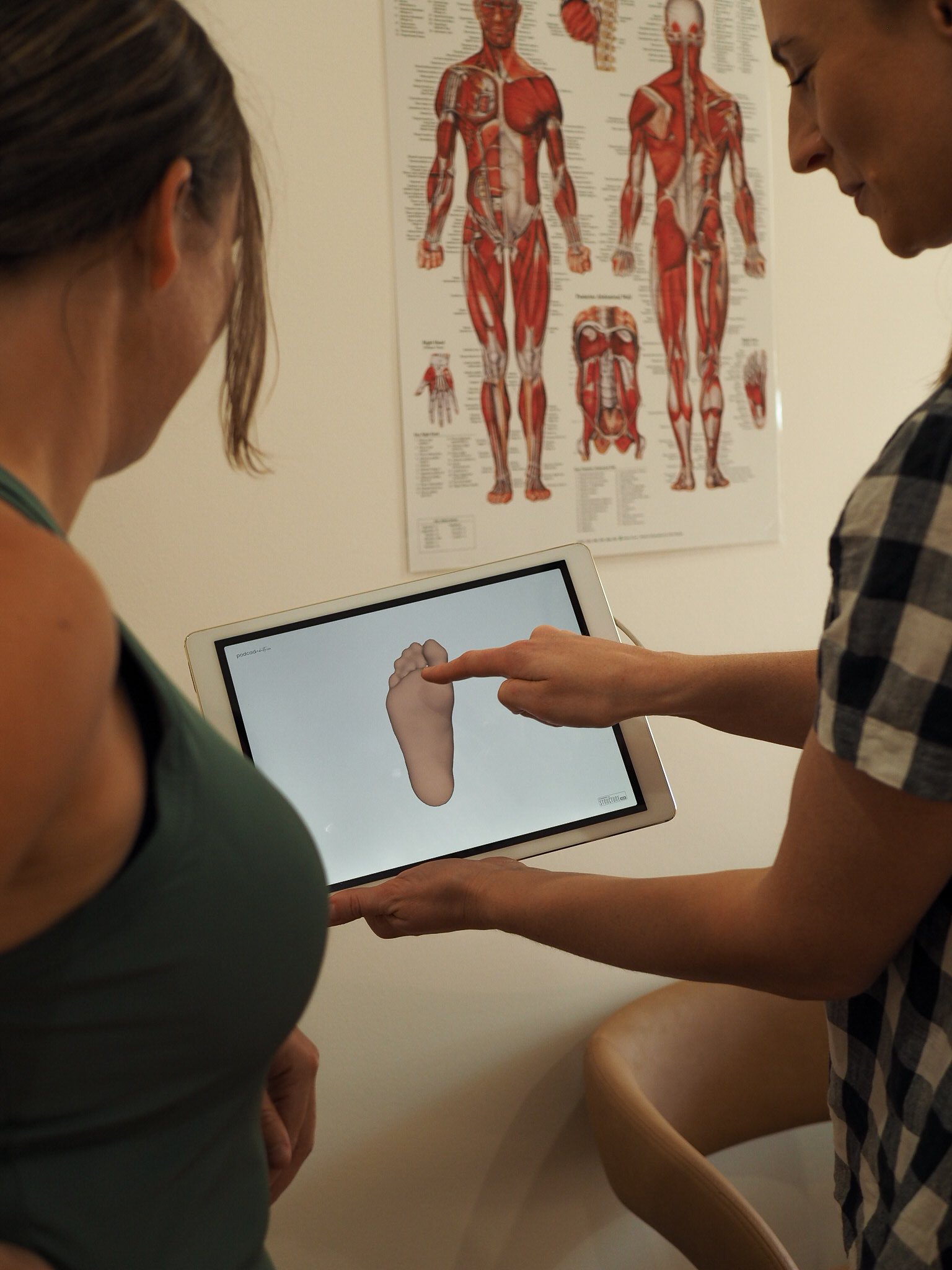
Custom foot orthoses (3D foot scans required)
Semi-custom foot orthoses
Pre-made foot orthoses
In-shoe paddings, wedges, raises, domes
Adjust existing orthoses
Repair / replace covers/paddings
-
Heel pain (calcaneal apophysitis / severs disease)
Ankle pain and sprains
Toe walking
In toeing / out toeing
Knee pain
Curly toes
Painful hypermobile flat feet
Difficulties with balance, co-ordination and fatigue
and more…
-
Post-operative and post-fracture rehabilitation to restore strength, balance and coordination, to build capacity ready for return to sport, work and your daily activities.
-
Advice on your current footwear suitability and recommendations when purchasing new footwear.
Activity specific footwear advice
School shoe advice
Difficult to fit feet footwear advice
Lacing / padding techniques to improve footwear fit
Footwear modification referrals
Medical grade footwear referrals (DVA / NDIS CURRENTLY UNAVAILABLE)
-
CURRENTLY UNAVAILABLE
Routine treatment of toenail and skin pathologies:
Thickened or injured toenails (thinning to improve comfort and appearance)
Callus
Corns
Warts
Fungal infections of the skin and toenails
Foot hygiene advice
-
CURRENTLY UNAVAILABLE
Routine toenail care to conservatively manage toenails prone to ingrowing.
Advice on correct toenail cutting technique and tools to use.
BracenfixTM:
A non-surgical, non-invasive treatment for curved or ingrown toenails, utilising resin to brace the nail over 1 treatment cycle. Click here to learn more.
-
CURRENTLY UNAVAILABLE
Permanent removal of ingrown toenail edges
Complete toenail removal (permanent or non permanent) suitable for:
Damaged toenails
Permanently thickened, damaged or painful nails which are resistant to conservative treatment
Chronic fungal infections resistant to topical and oral antifungal treatments
-
CURRENTLY UNAVAILABLE
Acute foot wound / ulcer diagnosis with short-term wound management which includes:
wound cleansing
debridement (if indicated)
primary and secondary dressings
appropriate offloading
lifestyle education and ‘at home’ wound care requirements
Reviews will be made based on wound classification
All foot wounds will be referred to:
local community health podiatry services for ongoing podiatry management (if required)
your GP to review chronic disease management and assess need for further antimicrobial therapy
-
CURRENTLY UNAVAILABLE
Neurovascular assessment
every 3 / 6 / 12 months dependent on risk of lower limb / foot complication assessment
Routine diabetic foot care to reduce the risk of infection or wound development
Diabetic footwear assessments
Footwear recommendations
Padding / offloading ares at risk of injury / breakdown
accommodative orthoses
Diabetic foot education
Communication to relevant members of your health care team (ie. GP) if your foot risk status changes or new pathologies develop which indicate a review in management strategies.
say hello to moving well through life…